

Music has long served as a vehicle for culture to travel across borders, shaping identities and building connections. Music has always been a way for culture to spread across the world; when people travel to new areas, they bring their songs with them. For example, Appalachian music is influenced primarily by folk and hymns from Celtic nations and Germany, but also by Native American and African American traditional songs.
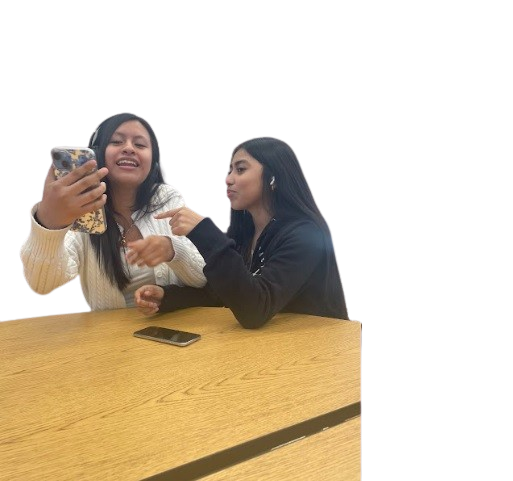
For many Hispanic Americans, especially first-generation youth like freshman Brittany Cruz-Lopez, music serves not just as entertainment, but as a bridge between cultures by providing ways for people to connect and exchange their interests with others.
“The cultural importance of music is something that matters a lot to me because, as a first-generation Mexican-American, it provides a way for me to interact and connect with people of both cultures,” Cruz-Lopez said. “Having friends from both types of culture, I think it’s important to step out of your comfort zone and discover new types of music and genres because it helps you connect with people outside of your culture and bring us together.”
Historically, music has been a tool for storytelling in Hispanic communities. Genres such as mariachi, corrido, salsa, bachata and reggaetón carry themes of family, pride, loss and struggle. Many songs reflect migration journeys, sacrifices made by parents and the perseverance required to build new lives in unfamiliar places. Through lyrics and rhythm, artists preserve cultural traditions while also documenting the realities of adapting to life in the United States.
Cruz-Lopez also says that exposure to different genres of music allows people to build understanding and compassion.
The willingness to explore reflects a bigger trend in Hispanic youth, who are capable of navigating multiple cultural expectations at once. Artists like Bad Bunny, who blends reggaetón (a Latin American music genre that blends hip-hop and Jamaican dembow beats) with social commentary and worldwide influences, have helped bring the Spanish language to the headlines. At the same time, many Hispanic people can find connection with English-language artists, which creates a space where people can find connection despite cultural differences.
Cruz-Lopez continues to say how music allows her to connect to people differently depending on the space she is in.
“I can connect with my Hispanic friends with artists like Bad Bunny and also connect with my American friends with artists like Frank Ocean,” she said.
Artists such as Bad Bunny have amplified that perseverance on a global scale. He has brought Spanish-language music to worldwide audiences while addressing issues such as identity, inequality and cultural pride. At the same time, many Hispanic listeners can connect with English-language artists such as Frank Ocean, creating shared spaces with English-speakers where cultural differences feel less rigid due to the connection they can feel through the language. Moving between these artists reflects how young people navigate and embrace both sides of their heritage.
Another important artist is Vincente Fernández, also lovingly known as “Chente” (victorious). He was a mariachi singer; mariachi denotes a traditional Mexican folk music, and is typically performed by a group of people in heavily ornamented suits.
Cruz-Lopez says, “He brought a new type of genre to Mexico, central America and around the world”
Rising to fame in the 1960s, Fernández became a symbol of national pride, performing in full charro attire and preserving the sounds of rural Mexico at a time when global pop and rock influences were spreading rapidly. His performances, often accompanied by live mariachi ensembles, helped sustain and popularize mariachi traditions among younger generations in both Mexico and Mexican-American communities. Songs such as “Volver, Volver” (“Come Back, Come Back”) became anthems of love, heartbreak and patriotism, reinforcing themes central to Mexican heritage. By consistently honoring traditional instrumentation and storytelling, Fernández not only maintained mariachi’s prominence in mainstream music but elevated it to an international stage, ensuring its continued relevance as a defining element of Mexican culture.
Cruz-Lopez’s favorite song by Fernández is “Hermoso Cariño” (“Beautiful Love”)
“No puedo evitarlo / Y quiero gritarlo / Hermoso cariño / Que Dios ha mandado nomás para mi” (“I can’t avoid it / And I want to yell it out / Beautiful love / That God has sent for no one else but me.”)
Freshman Joselyn Juan Lucas said music’s impact goes beyond rhythm or popularity.
“I think the cultural importance of music is the meaning and the thought they put into the music because many artists say powerful words, and they let their emotion out, but also some artists give motivation and inspirational thoughts into their music language,” she said.
She added that music has shaped her personally.
“So many artists inspired me to be the person I am today because they put meaningful things into their music, and that helps me a lot because I can relate to their music,” she said.
For students like Cruz-Lopez and Juan Lucas, music becomes its own language; it communicates emotion through rhythm and melody as much as through words. Even when listeners do not fully understand the lyrics, they can feel the message. In that way, music continues to transcend cultural differences, allowing young people to honor their heritage while building connections across communities.